


Locating Weather 24K Gold Loading / 10g 22K Gold Loading / 10g Silver Loading / KG
EN हिं
India World Haryana Business Astrology Stock Market Sports Politics Cricket
Citizen Issue
BREAKING
Apni Problems and issue hume post kare hum usko apni website mai citizen issues mai post karenge
News / World / Energy diplomacy without energy resources: How some states gain influence without oil and gas

Trending World Live Updates TMNN Exclusive Latest News

Energy diplomacy without energy resources: How some states gain influence without oil and gas

Top Stories

Swipe or hover to pause
India

Last rites of Twisha Sharma performed at Bhopal crematorium 12 days after her death

4.3K Views
India

Twisha Sharma death case: husband taken into custody, M.P. HC allows second

4.6K Views
Sports

Mumbai Indians create IPL history with biggest victory

5K Views
Science

NASA discovers possible signs of ancient life on Mars

2.6K Views
Weather

Massive rain alert issued in multiple Indian states

10.5K Views
World

World leaders meet for global climate summit

7.1K Views
India

New metro routes announced in Delhi NCR

6K Views
Technology

Apple unveils next generation AI powered iPhone

8.2K Views
India

Last rites of Twisha Sharma performed at Bhopal crematorium 12 days after her death

4.3K Views
India

Twisha Sharma death case: husband taken into custody, M.P. HC allows second

4.6K Views
Sports

Mumbai Indians create IPL history with biggest victory

5K Views
Science

NASA discovers possible signs of ancient life on Mars

2.6K Views
Energy diplomacy without energy resources: How some states gain influence without oil and gas

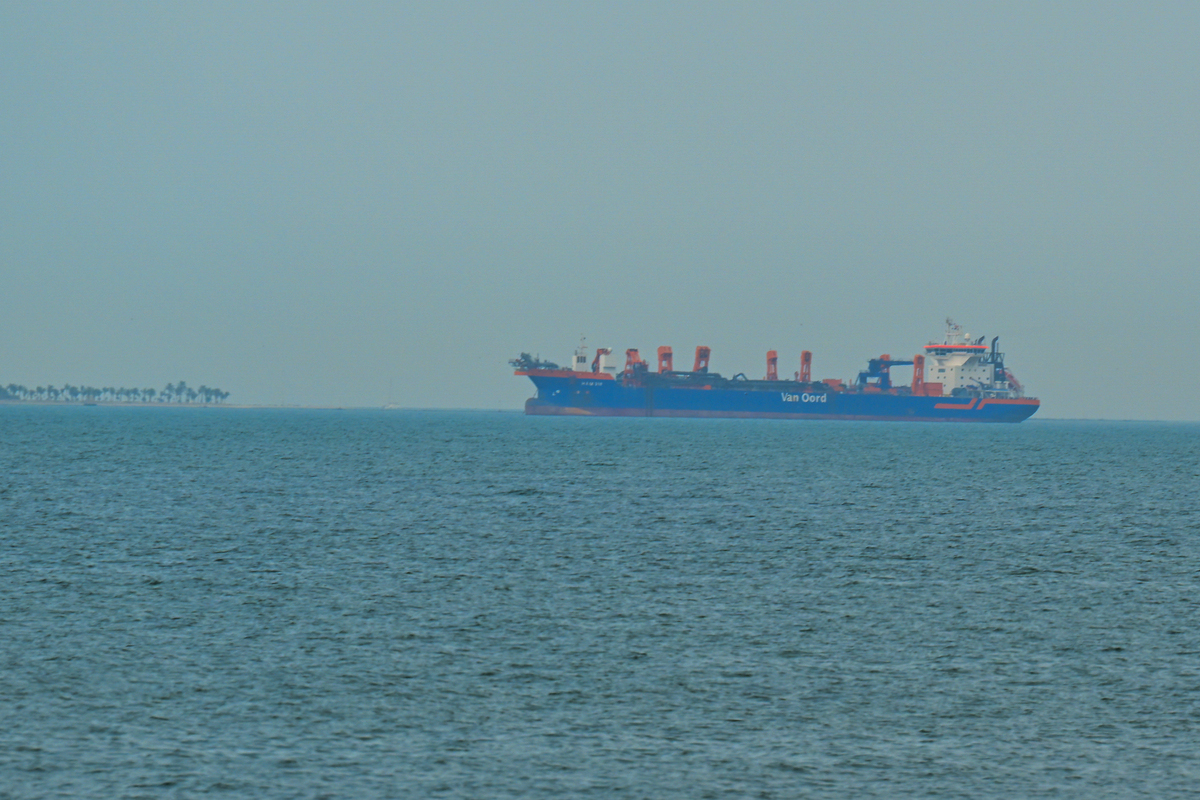
Commercial ships anchor off the coast of the United Arab Emirates due to navigation disruptions in the Strait of Hormuz, Dubai on March 2, 2026. [Stringer – Anadolu Agency]

Watch Energy diplomacy without energy resources: How some states gain influence without oil and gas

Commercial ships anchor off the coast of the United Arab Emirates due to navigation disruptions in the Strait of Hormuz, Dubai on March 2, 2026. [Stringer – Anadolu Agency]

Advertisement
AI Advertisement
Best Hotels In Karnal
Advertisement - Best School In Karnal

For more than a century, energy diplomacy has been closely associated with countries endowed with vast oil and gas reserves. The ability to produce and export hydrocarbons has often translated into geopolitical leverage, economic influence and strategic importance. However, the foundations of energy power are gradually changing. In today’s interconnected world, influence increasingly depends not only on what a country possesses beneath its soil, but also on how effectively it positions itself within the global energy system.

Beyond Oil and Gas: A Changing Definition of Energy Power

Traditional energy diplomacy was built upon resource ownership. Countries with large reserves enjoyed advantages in international negotiations and strategic partnerships. Yet the contemporary energy landscape is becoming more complex.

Energy markets today rely on transportation networks, logistics hubs, financial institutions, technological capabilities and regulatory frameworks. As a result, countries without significant oil and gas reserves can still acquire considerable influence by controlling or facilitating the movement of energy across regions.

This shift suggests that energy power is no longer defined solely by production. It is increasingly determined by connectivity, infrastructure and strategic geography.

READ: China, Saudi Aramco discuss energy security, oil and gas cooperation

Turkey illustrates this transformation. Despite lacking the vast hydrocarbon resources of some of its neighbours, it has become one of the world’s most important energy transit states. Its location between Asia, the Middle East and Europe enables it to host critical pipelines and transportation corridors.

Through strategic investment in infrastructure and regional connectivity, Ankara has transformed geography into geopolitical influence. Its significance in energy diplomacy stems not from resource abundance but from its ability to connect producers with consumers.

This model demonstrates that location itself can become a source of power when combined with long-term strategic planning.

Singapore provides another important example. The city-state possesses almost no significant oil or gas reserves. Nevertheless, it has emerged as one of the world’s leading centres for energy trading, refining and logistics.

Its influence is derived from efficient institutions, advanced infrastructure and a business environment capable of attracting global energy companies. Singapore’s experience challenges the traditional assumption that natural resources are the primary source of energy-related influence.

Similarly, the United Arab Emirates has expanded its role beyond simple resource extraction. While it remains an energy producer, much of its growing international influence is linked to its ports, logistics networks, energy investments and financial services.

These cases reveal a broader reality: countries increasingly gain influence not only by producing energy but also by facilitating its movement, financing its development and managing its distribution.

READ: US companies benefit from Strait of Hormuz disruptions, Rosneft chief says

The Energy Transition and New Forms of Influence

The global transition towards cleaner energy sources is accelerating this transformation.

Unlike traditional fossil fuels, renewable energy systems depend heavily on technology, advanced manufacturing, electricity networks, digital infrastructure and critical minerals. Consequently, influence is becoming more diversified.

Countries capable of developing technological expertise, providing financing, building energy infrastructure or serving as strategic transportation corridors may acquire geopolitical significance even without large fossil fuel reserves.

The emerging energy order rewards innovation and connectivity as much as resource ownership.

For decades, the Middle East derived much of its geopolitical importance from its vast hydrocarbon wealth. Oil and gas will undoubtedly remain important components of the regional economy for years to come. However, future influence may increasingly depend on factors beyond resource abundance.

Regional states are already investing in renewable energy, hydrogen production, electricity interconnections, smart infrastructure and logistics networks. These developments suggest that the next phase of energy diplomacy in the Middle East may be shaped as much by infrastructure and technology as by oil fields and gas reservoirs.

Countries that successfully position themselves as energy hubs, innovation centres or transportation gateways may enjoy advantages that extend beyond traditional resource wealth.

The evolving global energy landscape requires a broader understanding of energy diplomacy. Policymakers have long focused on reserves, production volumes and export capacity as indicators of power. While these measures remain important, they no longer tell the whole story.

Infrastructure, institutional capacity, technological capability and strategic connectivity have become equally important components of influence. States that recognise this transformation are likely to secure stronger positions in the emerging international order.

The future of energy diplomacy may therefore belong not only to those who own energy resources, but also to those who control the networks through which energy flows.

In the twenty-first century, power is increasingly measured not merely by what a country extracts from the ground, but by the role it plays in connecting markets, facilitating exchanges and shaping the architecture of the global energy system.

OPINION: The strategic value of Kurdish gas for Europe’s energy security

The views expressed in this article belong to the author and do not necessarily reflect the editorial policy of Middle East Monitor.

This site is protected by reCAPTCHA and the Google Privacy Policy and Terms of Service apply.

Δ document. getElementById( "ak_js_1" ). setAttribute( "value", ( new Date() ). getTime() );